

World Bank Directives
WORLD BANK GUIDELINES
Direct Link
FAQs – Frequently Asked Questions
What Is Involuntary Resettlement?
Involuntary Resettlement refers to two distinct but related processes. Displacement is a process by which development projects cause people to lose land or other assets, or access to resources. This may result in physical dislocation, loss of income, or other adverse impacts. Resettlement or rehabilitation is a process by which those adversely affected are assisted in their efforts to improve, or at least to restore, their incomes and living standards.
How can it be determined if a project involves resettlement?
In most cases, involuntary resettlement is triggered by land acquisition through eminent domain or other powers of the state. In some instances, people may lose the right to use resources without losing possession of them. Such involuntary loss of access to resources may also be considered involuntary resettlement. A Land Acquisition Assessment, examining present ownership, occupancy and use of land identified for project purposes (including public land) is the most reliable method for determining the extent and scope of resettlement.
Who is entitled to compensation and other forms of assistance?
All persons losing assets or use of resources as a direct result of a Bank-supported project are considered ‘Project Affected People’ entitled to compensation and/or other forms of assistance. This includes people losing land they have held under customary or traditional rights, people utilizing common property resources, squatters residing on public lands, and encroachers deprived of established access to resources, as well as those with formally recognized property rights. It also includes tenants, artisans, and wage earners whose livelihoods or living standards would be adversely affected as a direct result of the project. It does not include persons opportunistically invading a site after disclosure of project plans for the purpose of obtaining assistance.
What kind of planning is required for resettlement?
If it is determined that a project will involve involuntary resettlement, the Bank requires preparation and implementation of a plan to improve, or at least to restore, incomes and living standards of those affected. However, planning requirements vary according to the extent and severity of impacts. If resettlement involves preparation of new residential sites, requires some of those affected to shift to alternative forms of livelihood, or otherwise affects more than 200 people, a full Resettlement Action Plan is required. Otherwise, a simplified plan is acceptable for projects with relatively minor impacts.
What is a RAP?
A RAP, or Resettlement Action Plan, consists of several basic features: a statement of policy principles; a list or matrix indicating eligibility for compensation and other entitlements or forms of assistance; a review of the extent and scope of resettlement, based upon a census/survey of those affected by the project; an implementation plan establishing responsibility for delivery of all forms of assistance, and evaluating the organizational capacity of involved agencies; a resettlement timetable coordinated with the project timetable, assuring (among other things) that compensation and relocation are completed before initiation of civil works; and discussion of opportunities afforded those affected to participate in design and implementation of resettlement, including grievance procedures.
When must a RAP be submitted for Bank legal and technical review?
Because of the complexities inherent in resettlement processes, it is best to begin resettlement planning as are as practicable. In most projects, a draft RAP is submitted to the Bank for legal and technical review during project preappraisal, and Bank approval of a RAP is normally a condition of project appraisal. In some projects with multiple subcomponents, or projects for which final designs cannot be known by appraisal, the Bank requires submission of an acceptable policy framework establishing entitlements and organizational responsibilities by appraisal. Approval of a supplemental RAP based upon final designs and census/survey is then typically a condition of initiating civil works.



ECOENERGIA – Production of Bioethanol for Food
ECOENERGIA – Production of Bioethanol for Food
Client – Partnership between Verde Azul and EcoEnergia for the development of the project
Location – Maputo Province, Moamba
Year – 2014 – 2019
Time – 5 years
This project involves a strategic partnership between Verde Azul and EcoEnergia. The project is in the concept phase and presents an opportunity to invest in the production of Bio Ethanol for cooking. This project will:
- Provide 11000 households in Maputo and Matola with Bio Ethanol for cooking;
- Reduce dependence on fossil fuel imports;
- Generation of direct employment for about 100 people;
- Reduce deforestation;
- Improve the health of families and increase social welfare and cook in a healthier and more sustainable way;
- Introduce food production and diversification of ethanol for medicinal purposes and for the cosmetic industry.
The project needs about 5.2 million USD of investment over five years, and offers a 19% rate of return. There are countless advantages for investors, for Mozambique to encourage the production and use of biofuels as a way to reduce poverty.

Fixing Land Rights for Small and Medium Enterprises
Fixing Land Rights for Small and Medium Enterprises
Client – Zambezi Valley Development Agency
Location – Mozambique, Caia, Sofala Province
Year – 2015 – 2018
Time – 3 years in development
The purpose of this consultancy is to guarantee land rights for small and medium-sized companies operating in the district of Caia. Expected results are:
- 3420 DUATs provided 2015-2018;
- Assistance for the development of Business Plans for 1283 customers.
Community Management of High Value Conservation Areas in the Mountains of Northern Mozambique
Community Management of High Value Conservation Areas in the Mountains of Northern Mozambique
Client – Bird Life International, IUCN and CEPF
Location – Chiperone Mountain, Milange District, Zambézia Province
Year – 2015
Time – 4 months in development
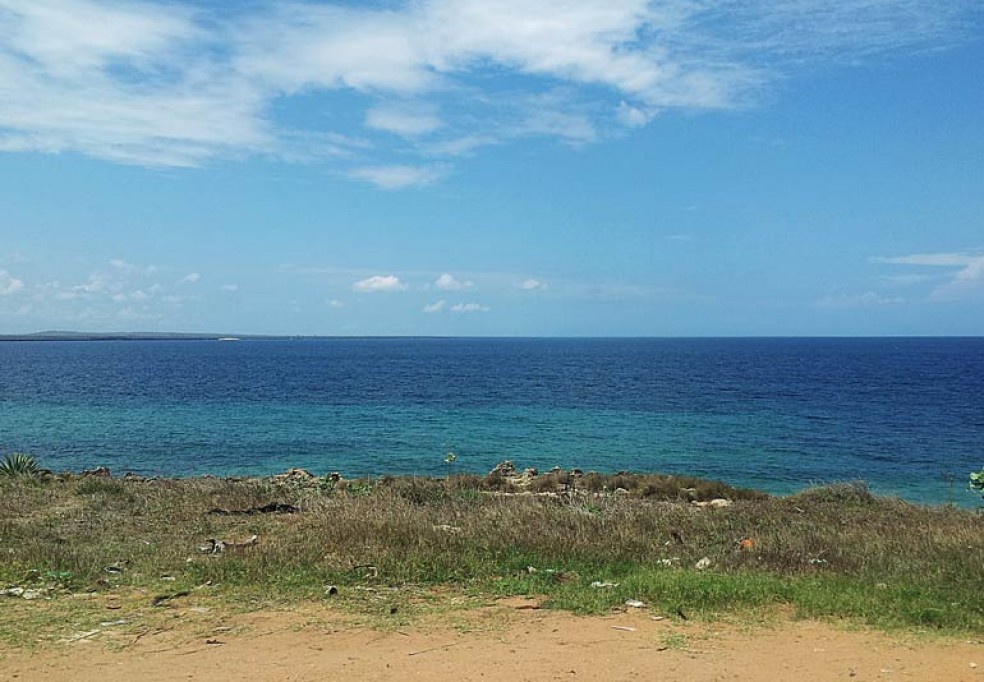
Ecological and socially based study of a vulnerable and strategically important ecosystem around Monte Chiperone in the province of Zambézia, Mozambique.
Monte Chiperone is a remote and largely unknown mountainous area, but with a wealth of species yet to be discovered. It presents isolated features of the forest that were separated by many thousands of years. In 2014, researchers found that Mount Chiperone is home to many species not found anywhere else, an example of which is the pygmy chameleon of a different species, as well as new species of snakes and butterflies that have recently been found in this area. The expedition stated that many more discoveries are expected in the future.
The focus of this project is to manage and protect this important conservation area.

Institutional Strengthening and Capacity Building of Milk Cooperatives in Manica
Institutional Strengthening and Capacity Building of Milk Cooperatives in Manica
Client – DGRV
Location – Manica – Mozambique
Year – 2013 – 2015
Time – 2 years
Assistance, Training and Institutional Capacity Building of 4 cooperatives for a total of 250 members to assist cooperatives in the development of a more profitable and socially and environmentally sustainable cooperative.
The cooperatives have received technical assistance from the Cooperative Union of American Cooperatives (UCLA) and Land O’Lakes since 2008. This assistance was provided to DANMOZ, a yogurt and cheese producer in Manica, who have been instrumental in promoting the establishment of these cooperatives. . Assistance from UCLA and Land O’Lakes will continue until the end of the year. Verde Azul’s assistance aims to form cooperatives in a sustainable manner. The project was extended at the end of 2014, to include the establishment of a cooperative union that will provide services to the others, such as: milk collection, milk conservation centers, sales negotiations, etc. The work involved assistance in defining strategic plans and developing operational business plans for each cooperative.
MCENAS: Evaluation of Education in Mozambique
MCENAS: Evaluation of Education in Mozambique
Client – E2A
Location – Inhambane and Matola – Mozambique
Year – 2014
Time – 8 months
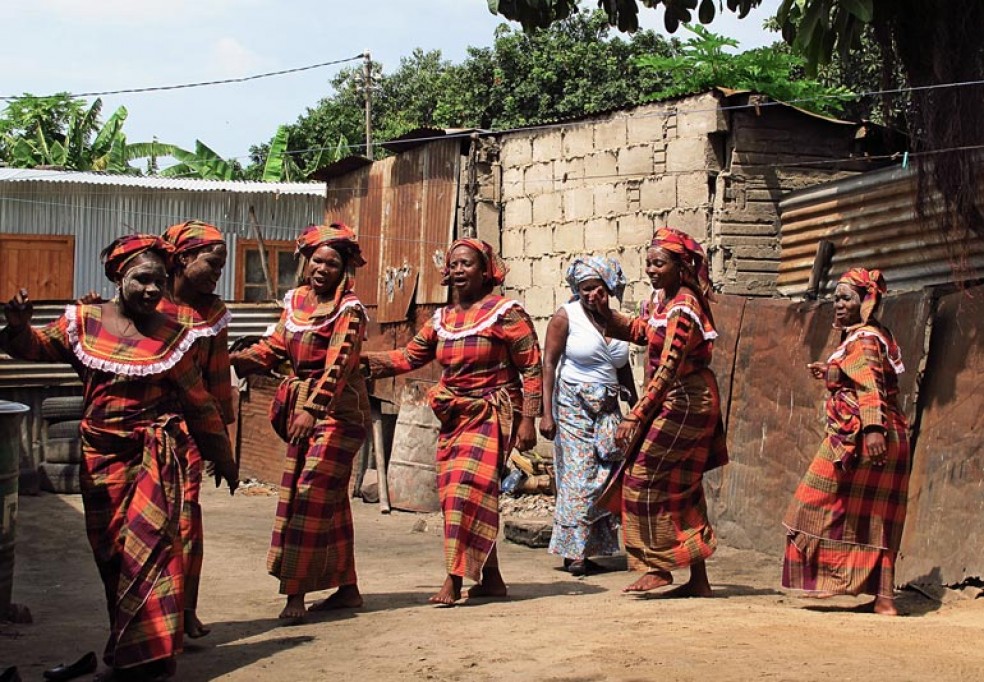
The Pathfinder project, called mCenas!, is an interactive SMS system that was implemented by Verde Azul in 2014. The aim of the project was to reach young people (15-24 years old – with and without children) via SMS with educational messages based on a life story and an informational messaging system that will increase knowledge about contraceptive methods, dispel common myths and address common obstacles that young people face regarding the use of contraceptives.
Verde Azul has generated evidence on the acceptability of information about contraception by sms if it is acceptable, and what is its impact on the knowledge, attitudes and self-efficacy of male and female youth aged 18-24 years in Mozambique. This project followed a narrow protocol that required a dynamic flow of participants in the field.
The SMS system that was evaluated had three main components:
- a story passed through SMS messages, based on the theory of behavior change to create a convincing and realistic narrative with which young people can relate and take advantage to deepen the dialogue and reflection with their peers (2 months);
- informational messages about each contraceptive method (one month);
- an interactive frequently asked question where young people could contact the system for information on a range of SRH topics.
The evaluation, which was conducted by E2A, focused on the sample of young people aged 18-24 years, distinguishing male and female subgroups with and without children in the cities of Inhambane and Matola.
The final documents included Baseline and Final Studies, as well as a summary of effectiveness, adjustments and improvements, as well as an action plan for the follow-up and monitoring of the SMS system.

ANGELIQUE – Mapping the Future Expansion of the Energy Supply
ANGELIQUE – Mapping the Future Expansion of the Energy Supply
Client – EDM, “Angelique”
Location – Cabo Delgado and Nampula
Year – 2015
Time – 2.5 months in development
This project has the following components:
- Survey of potential consumers of electricity, so that with this work, it is intended to locate potential consumers and identify who is already consuming electricity, this methodology is done with a GPS and digitally;
- Topographic description of the areas where the implementation of medium voltage lines and posts is planned.
This project will be implemented in the provinces of Nampula and Cabo Delgado.