Green Revolution: National Agriculture Mechanization Strategy

Green Revolution: National Agriculture Mechanization Strategy

Client – MINAG / CEPAGRI
Location – Maputo Province (Moamba and Boane), Gaza Province (Chokwé and Chibuto), Zambézia Province (Nicoadala and Maganja de Costa)
Year – 2012 – 2013
Time – 9 months

Verde Azul was hired to assist the Minister of Agriculture in the development of a National Strategy for the Mechanization of small and medium-sized farms, with the aim of allowing the National Directorate of Agricultural Services to change the current situation that most farmers in Mozambique they face it, as they depend on human strength and traditional hand tools, and do not produce enough income for the purchase of agricultural inputs, resulting in low incomes generally sufficient only for self-subsistence and with very few surpluses for sale.

The strategy’s objective was to create conditions to increase production and productivity in small agricultural units through the use of new and suitable forms of motor energy (tractors, machines, electrical energy, renewable energy, etc.), animal energy and / or use new agrarian knowledge.

The strategy developed by Verde Azul included the production of materials to promote and coordinate interventions in the mechanized agriculture value chain, as well as concrete proposals and model examples for improving agricultural technology and practices. This was very important in areas with agricultural potential and provided a competitive advantage to encourage profitable agricultural production.

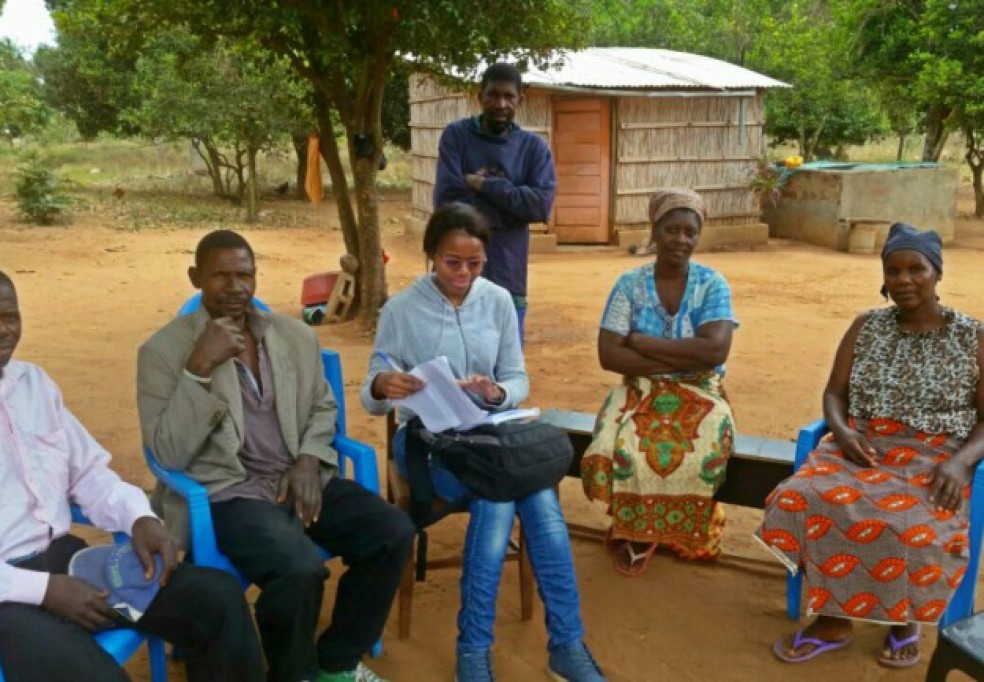
Three Provinces and six geographical areas were selected for the project’s field research: Maputo Province (Moamba and Boane), Gaza Province (Chokwé and Chibuto) and Zambézia Province (Nicoadala and Maganja de Costa). The study areas were selected to understand the different actors involved in the mechanization process. The field research included inventories of existing agricultural production value chain systems.

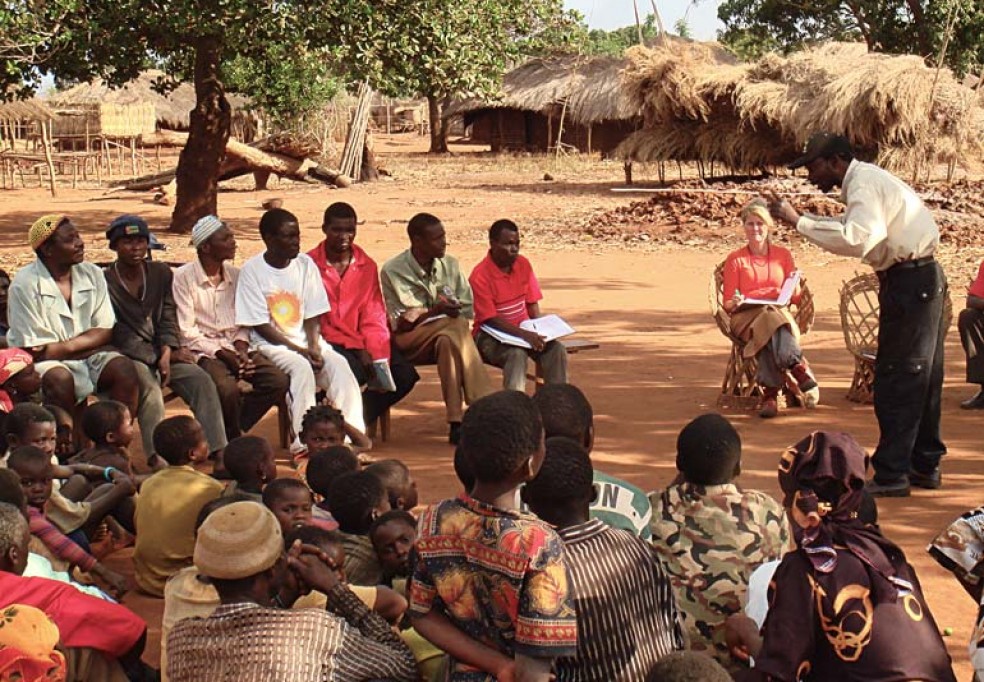
The reports included recommendations for processing and assembling implements and machines, supplying tools and machines, evaluating and recommending suitable production systems in relation to energy use. Case studies and mechanization models and models were presented, as well as a marketing strategy. Various training courses were developed through provincial seminars for the preparation of the master plan.

Management Plan for the Conservation Area in the Nampula and Zambézia Archipelago in Mozambique

Management Plan for the Conservation Area in the Nampula and Zambézia Archipelago in Mozambique

Client – ANAC / MITUR
Location – Nampula and Zambézia – Mozambique
Year – 2014 – 2015
Time – 6 months in development

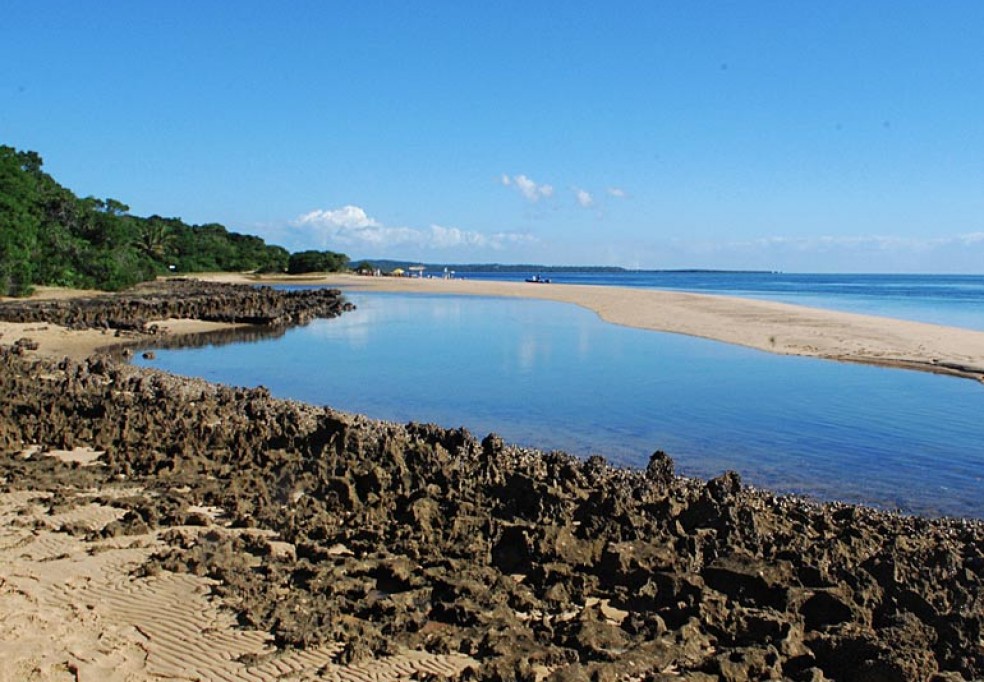
Elaboration of the Environmental Management Plan for the islands of the Archipelago along the coast of the provinces of Zambézia and Nampula in Mozambique (referred to as APAIPS). This Plan’s main objective is to ensure the following development activities:

(1) Protect, conserve and restore ecosystems, species and genetic diversity and marine and coastal resources, ensuring the continuous transition between different ecosystems;

(2) Encourage and facilitate sustainable development based on the sustainable exploitation of resources in APAIPS, in the areas of the provinces of Nampula and Zambézia;

(3) Reconcile the economic interests of the different stakeholders in APAIPS;

(4) Guarantee the sustainability of APAIPS itself through the adoption of appropriate mechanisms for fundraising, operational systems and efficient management and development of partnerships with other relevant entities and research institutions that support the project.

Technical Assistance to the Terra Segura Project in Cape Verde

Technical Assistance to the Terra Segura Project in Cape Verde

Client – Government of Cape Verde and MCC Cape Verde
Location – Cape Verde
Year – 2014 – 2016
Time – 12 months in development

The aim of this project is to provide technical assistance to the government authorities of Cape Verde. It was started on the ground in 2014. It aims to facilitate improvements in land administration systems and land rights records for communities, civil society and investors, with the purpose of analyzing the corresponding policies and legislation and providing advice to the authorities.

LIMS – Extension to the Level of 6 Provinces of Central and Southern Mozambique

LIMS – Extension to the Level of 6 Provinces of Central and Southern Mozambique

Client – Millennium Challenge Account (MCA)
Location – Mozambique
Year – 2013
Time – 6 months

This project involved the collection of data in order to understand the needs to be adopted in SPGCs with the capacity to implement LIMSs in 6 provinces within the scope of the LIMSs Expansion project – Summary of physical installations of SPGCs, human resources research, infra -structures and data networks.

Expansion of SIGITs – The collection of data from the SPGCs project. Supply of equipment and installation of energy and data networks and small refurbishments in 6 SPGCs. Training of 1 or 2 technicians per province to guarantee operational support in 3 locations for each province.

TIA – Agriculture Database Analysis (2002-2012)

TIA – Agriculture Database Analysis (2002-2012)

Client – Ministry of Agriculture
Location – Mozambique
Year – 2013
Time – 8 months

Verde Azul produced documentation that supported the development of agricultural development policies and strategies, as well as for decision making, based on data from the Government’s Integrated Agricultural Survey.

The Ministry of Agriculture suggested the analysis of several themes, in order to define which strategic policies to implement. Verde Azul was responsible for the following areas:

1) the use of agricultural inputs in Mozambican agriculture;

2) agricultural mechanization, use of animal traction and productivity.

The analyzes were done in Stata, a simple analysis model, and it was implemented using analysis of trends in agricultural inputs in the country, and included studies on irrigation, chemical fertilizers, improved corn seeds and the impact and use of pesticides.

The study assumed that an increase in commercialization would lead to an increase in the use of basic products, a greater intensification of agriculture, an increase in productivity and a greater production of agricultural products. The analysis was carried out by stratifying Households using the Evolution Cycle Model (Creation, Expansion, Consolidation and Withdrawal or Dissolution by Spin-Off).

The main results were a set of data that facilitated the reduction of tax limits and benefits for agricultural investments in rural areas.

Safe Land in Maputo City

Safe Land in Maputo City

Client – Maputo Municipality (CMM)
Location – Maputo City – Mozambique
Year – 2013 – 2015
Time – 20 months in development

The general objective of this project is to provide technical assistance to the Municipality of Maputo, to strengthen the regularization of land tenure and land registration in peri-urban areas of Maputo, including a development methodology and supervision mechanisms for the demarcation and registration of land . The DUATs program – massive regularization will be applied in a specific area, so that it can be improved and applied to a wide range of informal settlements, with the aim of establishing a routine that will generate greater efficiency and transparency in the allocation of DUATs in Maputo. This program will cover at least 30,800 lots in nine neighborhoods, defined by partial urban plans, that is, Zimpeto, Magoanine A, B and C, Albazine, Mahotas, 3 de Fevereiro, Laulane and Ferroviário.

Environmental Impact Analysis for Rehabilitation and Improvement of the Marine Biology Research Station on the Island of Inhaca

Environmental Impact Analysis for Rehabilitation and Improvement of the Marine Biology Research Station on the Island of Inhaca

Client – Embassy of Sweden
Location – Inhaca Island – Mozambique
Year – 2014 – 2015
Time – 5 months in development

Verde Azul was hired by the Swedish Embassy to develop a Simplified Environmental Study of impacts during the construction and rehabilitation of the Marine Biology Station on the Island of Inhaca.

This work includes the assessment of the potential environmental impacts during the rehabilitation of MBRS:

  1. Make recommendations for appropriate measures to be included in rehabilitation planning and preparation and the Strategic Marine and Coastal Research Plan for MBRS;
  2. The elaboration of an Environmental Management and Maintenance Plan for the long-term environmental sustainability of MBRS;
  3. Implementation of a “Green Day” training session to increase the environmental awareness of all employees at the MBRS Station;

ENICA Project – Agro-Industry Development, Focusing on Banana Production, Packaging and Export, Chiúre – Cabo Delgado Province

ENICA Project – Agro-Industry Development, Focusing on Banana Production, Packaging and Export, Chiúre – Cabo Delgado Province

Client – ENICA
Location – Cabo Delgado – Mozambique
Year – 2011 – 2012
Time – 2 years

Verde Azul was contracted by a group of national investors to assist in the development of banana production in the North and South of Mozambique. This project involved land identification and legalization of 3000 ha (DUAT) for agro-industrial production and banana packaging for export.

The banana production project foresees the development of agricultural properties that give possibilities to other investors and integrated producers, in order to attract enough investors to justify the improvement of the social and commercial infrastructure, and thus, have lasting impacts of improving standards opportunities for life and work.

Nacala Corridor Action Plan and Resettlement

Nacala Corridor Action Plan and Resettlement

Client – AustralCowi / Vale Mozambique
Location – Nacala Corridor – Nampula – Mozambique
Year – 2011 – 2012
Time – 2.5 years

The aim of this study was to register land and existing infrastructure along the Nacala Corridor, in the Nampula province section of the planned railway line. The register included the mapping of approximately 150 agricultural properties – “machambas” – in the buffer zone of the railway line and the production of several maps that illustrate the life situation of the affected households, the infrastructure, as well as the use and exploitation of the land, and also the social infrastructure around the resettlement area.

The results included management and socioeconomic data that are crucial for resettlement, and which will prepare for the installation of new infrastructure, as well as programs to restore livelihoods in resettlement areas.

Verde Azul developed a database of beneficiaries with the various maps and questionnaires.

Land Auditing Procedures in Mozambique: Simplification, Reducing Bureaucracy and Increasing Transparency and Accountability

Land Auditing Procedures in Mozambique: Simplification, Reducing Bureaucracy and Increasing Transparency and Accountability

Client – National Directorate of Land and Forestry (DNTF)
Location – Mozambique
Year – 2014 – 2015
Time – 1 year

This study will support the development of a control (audit) system for land administration, which is essentially focused on providing transparent and pragmatic technical guidance. It will develop methodologies and skills for land regularization in priority areas.

In this context, the audit system should also help to identify unauthorized land use. Today, these are used as a direct source of revenue through the collection of fines.

The audit system will involve an exchange between consultants and civil servants in the land area (civil servants) at all levels (district, SPGCs, provincial and central), through joint work consultation (on-job training) ) and through meetings and exchange of experiences.

Theme: Overlay by Kaira ©2023 Verde Azul Consult, Lda. 🇲🇿 Todos os Direitos Reservados